What Data Reveals About Peak Playing Times and Seasonal Trends in Online Bingo Participation
Online bingo participation follows clear patterns that researchers have tracked through platform analytics, player logs, and aggregated industry reports, and these patterns shift noticeably across daily cycles, weekly rhythms, and broader seasonal shifts. Data collected from major operators shows that activity clusters around specific evening windows on weekdays, while weekends produce broader but sometimes less intense engagement. Observers note that these rhythms emerge consistently across multiple markets, although the exact timing adjusts according to local time zones and cultural habits.
Daily Participation Patterns Across Time Zones
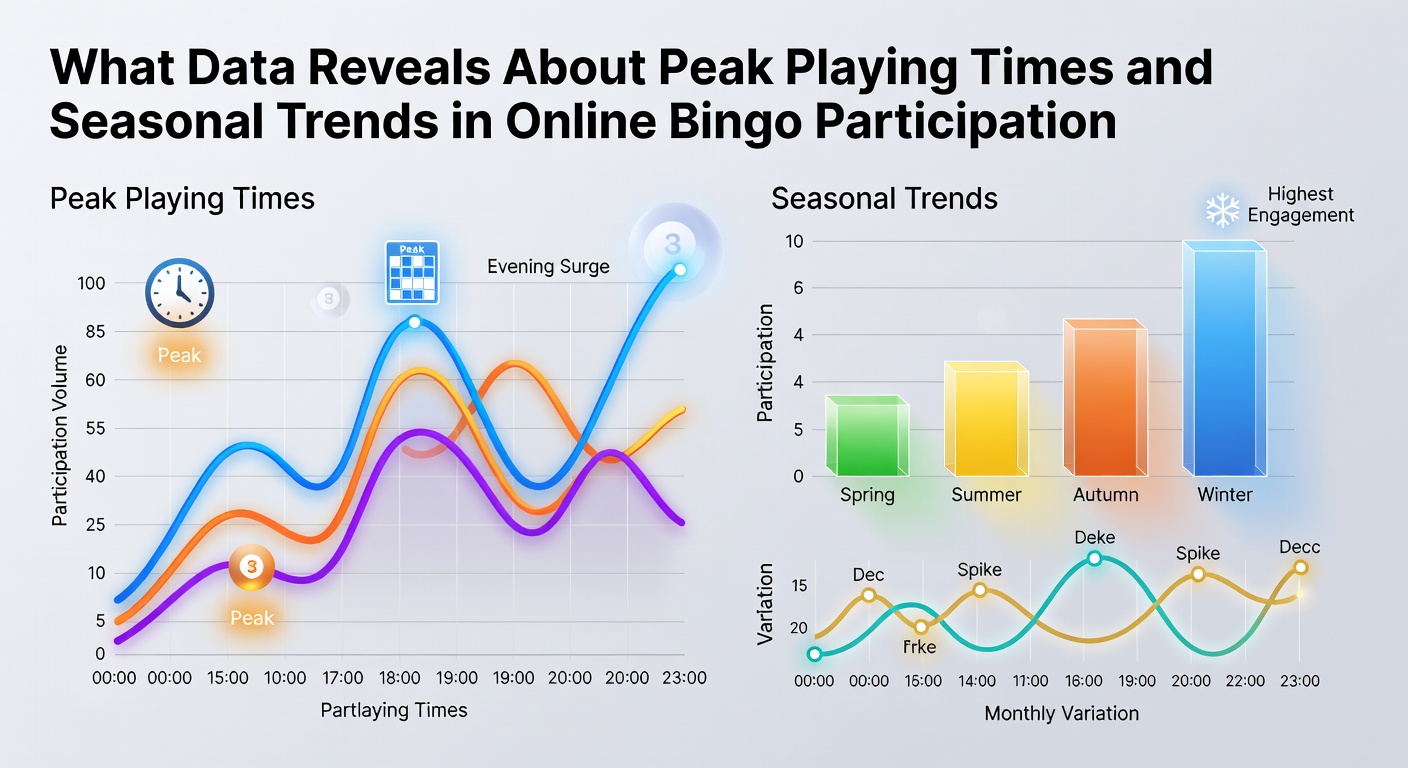
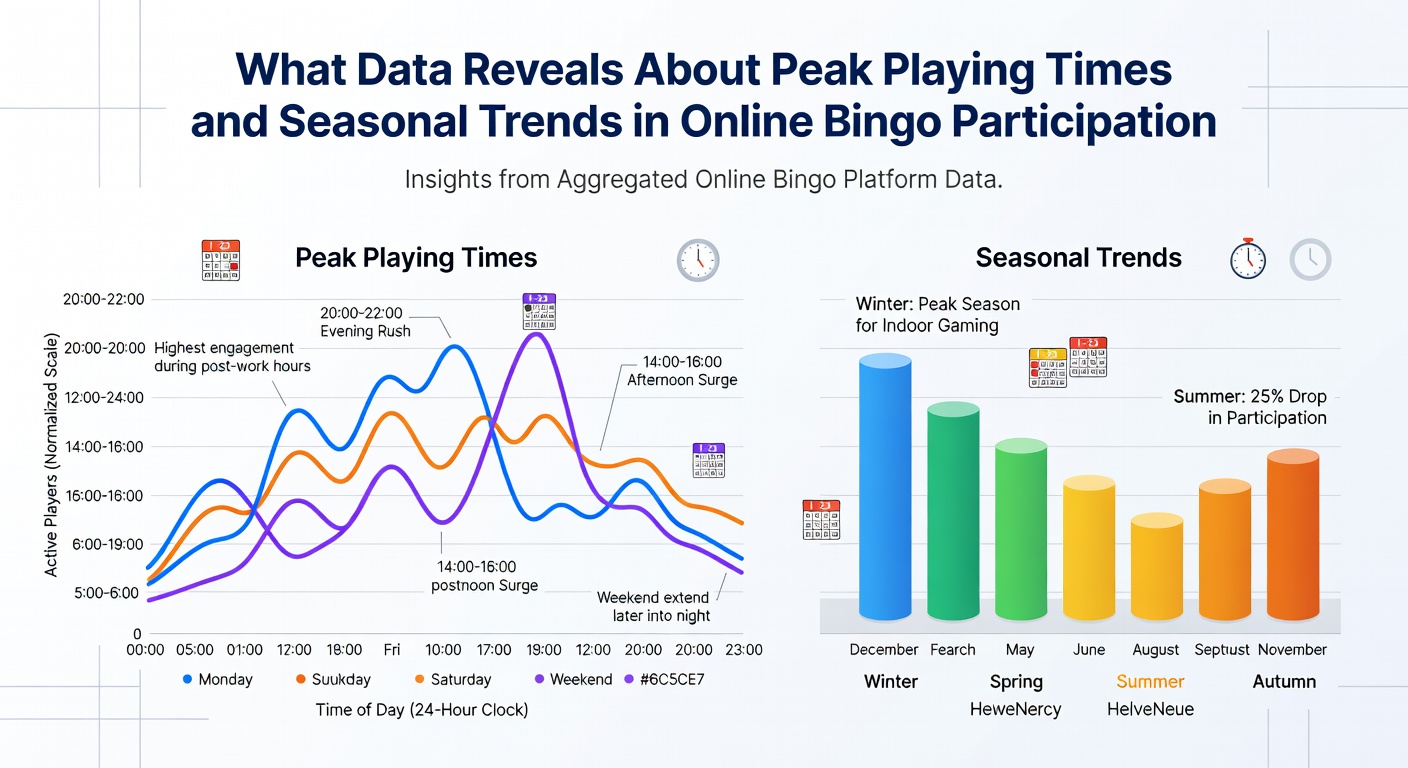
Peak activity tends to concentrate between 7:00 PM and 10:00 PM local time in most regions, when people finish work or daily routines and seek leisure activities. Studies compiled by analytics firms indicate that roughly 45 percent of daily sessions begin during these three hours, with a secondary spike appearing around lunchtime in some markets. Researchers who examined session duration found that evening players often stay connected for longer stretches, averaging 35 minutes per session compared with 22 minutes during midday periods. What's interesting is how these patterns hold steady even as new demographics enter the space, suggesting that established routines outweigh novelty effects over time.
Yet morning hours show their own modest uptick, particularly among retirees and shift workers who log in between 9:00 AM and 11:00 AM. Figures from North American platforms reveal that this demographic accounts for nearly one third of early-day traffic, while European data points to similar concentrations in the 10:00 AM to 1:00 PM range. Those who've analyzed login metadata note that shorter, quicker games dominate these daylight slots, with players frequently joining one or two rooms before logging off again.
Weekly Cycles and Weekend Dynamics
Weekend participation spreads across more hours yet rarely reaches the concentrated intensity seen on weekday evenings. Saturday afternoons produce steady but moderate traffic, whereas Sunday evenings mirror Friday night patterns with renewed vigor. Data from Canadian provincial operators shows weekend average concurrent players rising by about 18 percent over weekday baselines, although individual session lengths shorten slightly. Experts tracking these metrics attribute the difference to competing social activities that pull attention away during daylight hours on Saturdays and Sundays.
Seasonal Fluctuations and Holiday Influences
Seasonal trends become most visible around major holidays and weather-driven lifestyle changes. Participation climbs sharply in the weeks leading up to Christmas and New Year, with some platforms reporting increases of up to 30 percent compared with September baselines. The same reports show a noticeable dip during summer months in northern hemisphere markets, when outdoor activities compete for attention, although southern markets experience the opposite pattern during their winter season. One study released by the Australian Institute of Health and Welfare documented parallel movements in digital entertainment engagement that aligned closely with bingo platform statistics.
Weather events also leave measurable footprints. Prolonged periods of rain or snow correlate with higher login rates, especially during weekday evenings when people remain indoors. Researchers examining multi-year datasets found that stormy weekends produced participation levels comparable to holiday peaks in affected regions. Those patterns hold across both established European markets and newer Asian platforms that have expanded rapidly since 2023.
Regional Variations in Timing and Seasonality
North American and European markets display similar evening peaks, yet Australian and Southeast Asian data reveal earlier afternoon surges that align with local after-work patterns. In Singapore, for instance, participation often rises between 4:00 PM and 7:00 PM, reflecting earlier dinner times and family routines. Data released ahead of the May 2026 National Bingo Day events highlight how community-focused promotions can shift these usual rhythms, drawing additional daytime players who might otherwise remain inactive.
European operators report stronger winter peaks that extend from November through February, while North American platforms see comparable lifts during the same months but with sharper drops during major sporting events such as the Super Bowl. Observers tracking cross-border player flows note that time-zone differences allow some dedicated players to participate in multiple regional rooms throughout a single day, smoothing out what would otherwise appear as sharp regional spikes.
External Factors Shaping Participation Trends
Mobile device penetration continues to reshape when and where people play, allowing sessions during commutes or lunch breaks that desktop-only eras could not capture. Industry reports from the European Gaming and Betting Association indicate that mobile sessions now represent over 60 percent of total activity, with many of these occurring outside traditional evening windows. Economic conditions also influence engagement, as periods of higher disposable income correlate with increased deposit activity and longer play sessions across most tracked platforms.
Promotional calendars exert additional pressure on these underlying rhythms. Limited-time jackpots and seasonal tournaments reliably boost numbers during otherwise quiet periods, demonstrating that operator-driven events can temporarily override established patterns. Data analysts who compared promoted versus non-promoted weeks found participation lifts of 15 to 25 percent during targeted campaigns, with effects lasting several days after the promotion ended.
Conclusion
Collectively, the available datasets paint a picture of online bingo participation that remains predictable at its core while remaining responsive to external influences. Daily peaks cluster in evening hours, seasonal swings follow weather and holiday calendars, and regional differences reflect local lifestyles. As operators continue to refine their offerings and new markets mature, these documented rhythms provide a baseline against which future shifts can be measured. Continued monitoring by independent research groups will help clarify whether emerging technologies or demographic changes ultimately alter the established patterns observed through 2026.