UK Government Announces End to Bingo Duty from April 2026

The UK government has confirmed that Bingo Duty, currently set at 10 percent on profits, will disappear entirely on April 1, 2026, and observers note this forms one piece of wider adjustments to gambling taxation that will see Remote Gaming Duty rise to 40 percent along with increases to other betting duties starting in 2027. Those changes aim to ease pressure on the bingo sector while shifting the overall revenue collection toward different parts of the industry, and data from industry reports indicate the bingo halls support around 7,000 jobs across the country.
Details of the Duty Abolition
Under the new framework the existing 10 percent levy on bingo profits ends at the start of the 2026 financial year, which means operators no longer calculate or remit that specific tax after March 31, 2026, and accountants who track gaming levies expect the move to reduce administrative steps for venues that have operated under multiple duty headings for years. The announcement positions the change as part of a simplification effort that removes one layer of calculation while the government collects additional amounts from remote gaming and certain sports betting categories beginning the following year.
Broader Tax Reforms and Revenue Shifts
Alongside the bingo adjustment, Remote Gaming Duty climbs to 40 percent from its present level, and several other betting duties increase from 2027 onward, creating a staggered timetable that allows different segments of the market to prepare at different speeds. Government statements explain that the combined measures are designed to maintain overall tax receipts by drawing more from high-growth online platforms while providing relief to community-based bingo operations that face distinct cost structures. Figures released with the announcement show the policy balances these elements so that the net fiscal impact remains positive even after the bingo duty removal takes effect.
Employment and Community Impact
Industry estimates place direct employment in bingo halls at approximately 7,000 positions, and the duty abolition is presented as a step that helps those jobs remain viable by lowering operating costs for venues that often serve older demographics in town centers and suburban high streets. Local councils and community groups have long highlighted bingo halls as gathering places that foster social connections, and the tax change aligns with that perspective by keeping physical sites competitive against purely digital alternatives. Researchers who examine leisure patterns note that these venues continue to draw regular visitors who value the in-person format over screen-based play.
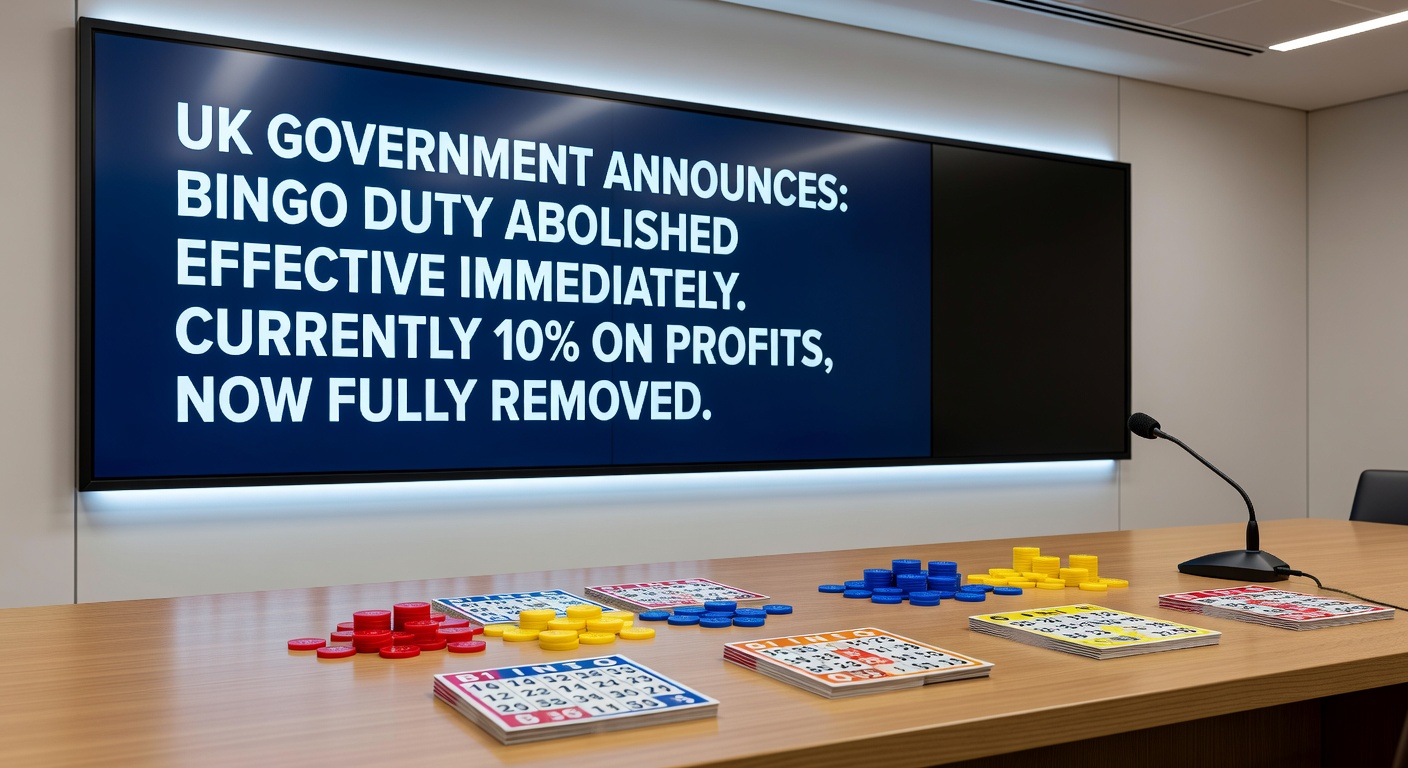
By May 2026 the first month without Bingo Duty will have passed, and operators are expected to have adjusted their pricing and staffing models accordingly while preparing for the separate duty increases that arrive in 2027. Trade associations representing gaming businesses have circulated guidance documents that outline how the April 2026 date affects quarterly reporting cycles and cash-flow planning, and those materials emphasize that the removal applies uniformly to both traditional halls and any hybrid operations that still fall under the bingo duty heading.
Administrative Simplification
Tax advisers point out that eliminating one duty category reduces the number of separate returns and payment schedules operators must maintain, and this streamlining is cited in official briefings as a secondary benefit alongside the employment and community goals. The policy document accompanying the announcement lists the duty removal as one element within a wider review of gambling taxation that seeks clearer boundaries between different product types and their respective levy rates. Observers who follow fiscal legislation note that such consolidation can shorten compliance time for smaller operators who previously allocated staff hours to multiple duty calculations each quarter.
Industry Preparation Timeline
Venues and software providers are already mapping the transition steps required before April 2026, including updates to accounting systems and communications with players about any resulting changes in prize structures or session fees. The government has indicated that guidance notes will be published well in advance so that businesses can model the post-abolition environment and align their 2027 forecasts with the higher remote and betting duties scheduled to begin then. Data from earlier tax adjustments in comparable sectors suggest that advance notice periods of this length give operators sufficient runway to complete internal reviews without disrupting daily operations.
Conclusion
The April 2026 abolition of Bingo Duty therefore marks a defined point on a multi-year reform path that also includes higher rates for remote gaming and other betting activities from 2027, and the package as a whole is framed as supporting jobs in the bingo sector while directing additional revenue collection toward other parts of the gambling market. Official records list the community role of bingo halls and the goal of tax simplification as central considerations behind the decision, and those elements will be tracked through routine government reporting once the changes take hold.