Tracing Bingo's Adaptation to Streaming Culture and Live Audience Interactions
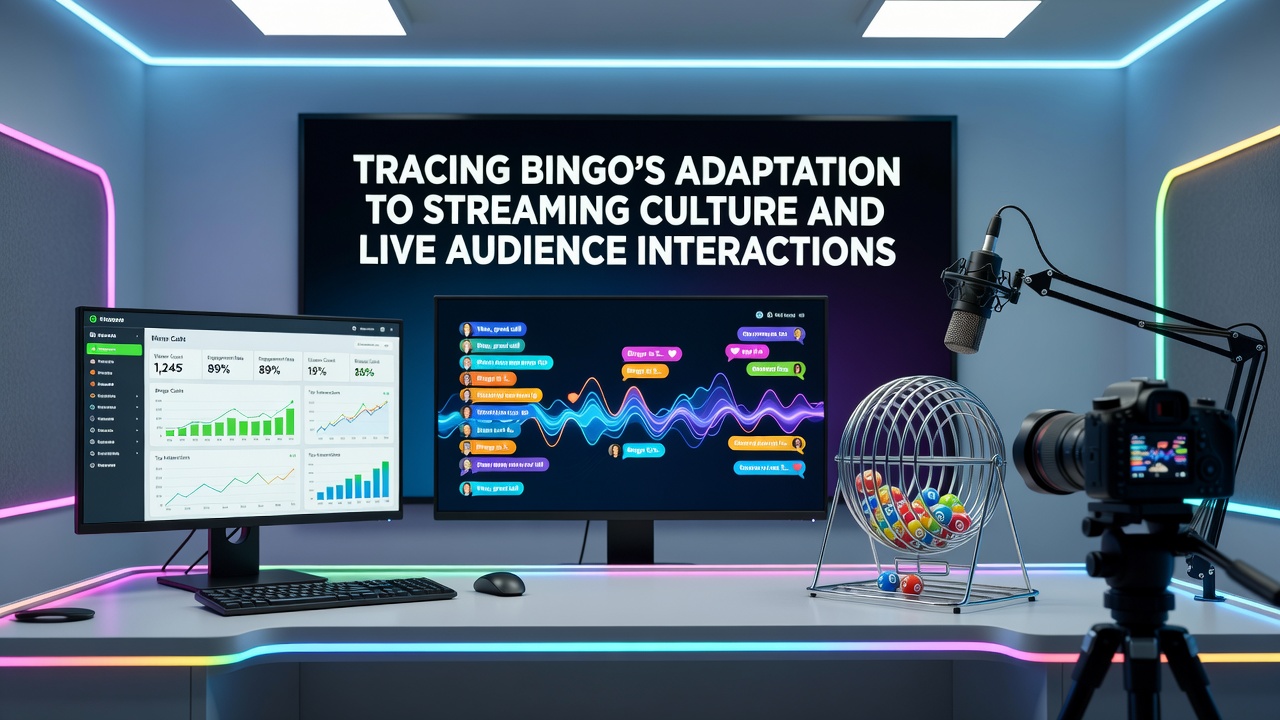 Bingo operators began integrating streaming technology into their platforms during the early 2020s as viewer habits shifted toward live video content, and this transition accelerated when platforms such as Twitch and YouTube expanded their gaming categories to include interactive draws. Broadcasters now combine 75-ball and 90-ball formats with on-screen overlays that display player chats while numbers are called in real time. Data from industry tracking services shows that sessions streamed between 7 pm and 10 pm local time attract the highest concurrent viewers because audiences seek communal participation during evening hours. Live audience interactions rely on integrated chat systems that let viewers submit number predictions or request specific game variants directly to the host. Software frameworks synchronize these inputs with the random number generator so that audience suggestions influence bonus rounds without altering core fairness protocols. One operator in Australia documented a 34 percent rise in session duration after adding poll features that let chat participants vote on jackpot multipliers mid-game.
Platform Infrastructure and Viewer Engagement Tools
Developers adapted existing bingo software to support low-latency video feeds that run alongside ticket purchase interfaces, which allows viewers to join games without leaving the stream window. Multi-camera setups capture both the physical draw machines in licensed halls and the digital dashboards that update ticket status for remote players. These setups use WebRTC protocols to keep audio and video delays under two seconds, a threshold that maintains the illusion of shared presence.
Moderators monitor chat for compliance with regional advertising standards while encouraging participation through emotes tied to specific outcomes such as a full house. Research published by the Australian Gambling Research Centre indicates that streams incorporating these emote systems record higher retention rates among viewers aged 25 to 34 compared with static video replays.
Regional Regulatory Adjustments in 2026
Regulators in several jurisdictions updated guidelines during the first half of 2026 to address streamed bingo specifically. In June 2026 the Gambling Regulatory Authority of Singapore issued new disclosure requirements for operators that broadcast live draws, mandating on-screen notices about age verification and spend limits. Canadian provincial authorities followed with similar rules that require hosts to announce the source of each jackpot pool before the first number is drawn.
These updates emerged after viewer numbers for bingo streams surpassed 1.2 million monthly unique users across major platforms, according to figures compiled by the Interactive Games & Entertainment Association. Operators responded by embedding compliance dashboards that display licensing credentials alongside the game feed.
Technical Synchronization Between Chat and Game Engines
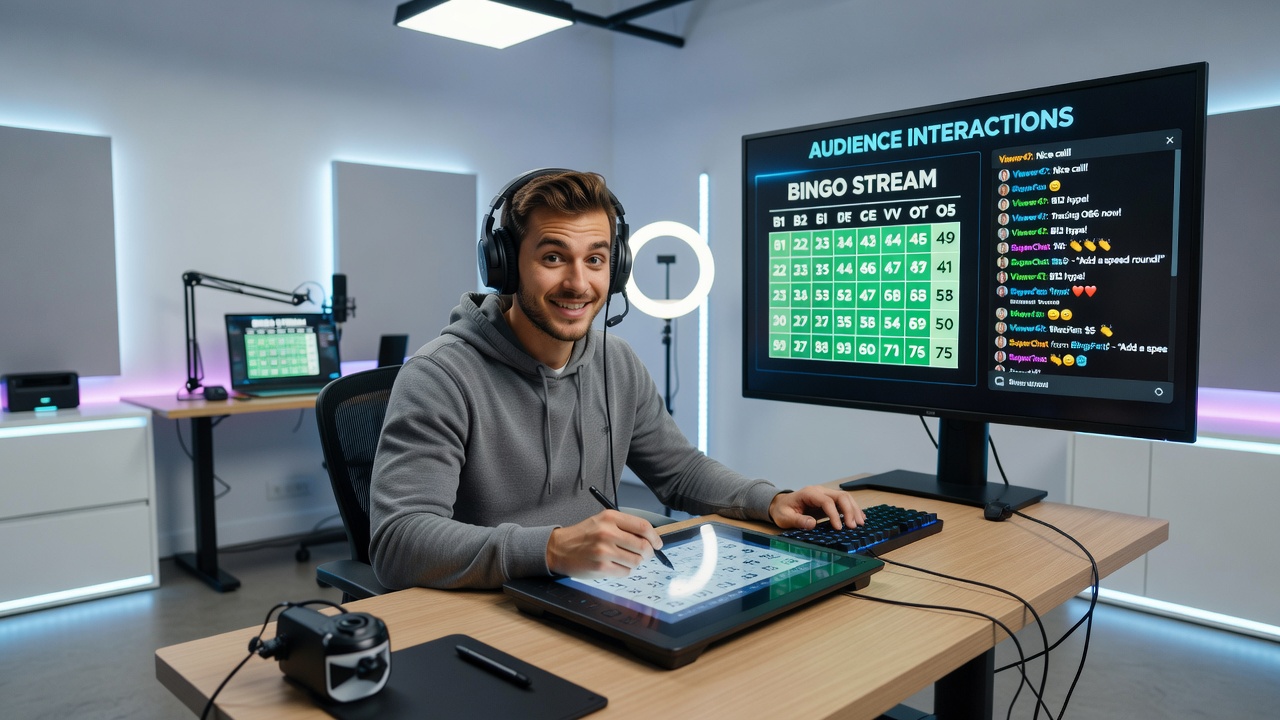
Backend systems now map chat commands to game events through API endpoints that trigger animations when viewers reach certain contribution milestones. For instance, a collective chat goal to fill a specific pattern can unlock an extra ball drop that appears simultaneously on all connected screens. Engineers at several studios report that this synchronization layer reduced desync incidents by 78 percent after implementing timestamped event queues.
Cross-platform compatibility remains a focus area, with developers testing compatibility between mobile chat apps and desktop streaming software to ensure consistent interaction quality. Viewers who switch devices mid-session retain their chat history and ticket status because session tokens persist across browser and native app environments.
Viewer Metrics and Seasonal Patterns
Analytics dashboards used by streaming bingo hosts reveal that participation spikes coincide with major sporting events and holiday periods when audiences seek low-stakes communal activities. June 2026 data showed a 22 percent increase in new registrations during the first week of summer school holidays across multiple regions. Hosts adjusted broadcast schedules to include shorter rounds during these windows to accommodate families watching together.
Retention improves when streams incorporate periodic giveaways funded through a percentage of ticket sales, a model that several operators adopted after observing similar mechanics in variety-streaming channels. These giveaways appear as on-screen timers that count down in real time, prompting chat activity and extending average watch time beyond 45 minutes per session.
Conclusion
Bingo's move into streaming environments demonstrates how legacy games can adopt live video infrastructure while preserving regulatory compliance and random outcome integrity. Continued refinement of chat-to-game linkages and regional disclosure rules will shape how operators manage audience scale in coming years. Observers tracking these developments note that the core appeal remains the shared anticipation of each drawn number, now extended across digital screens rather than physical halls alone.