Soundscapes and Strategy: How Audio Elements Shape Decision-Making in Modern Bingo Applications
Petra Jenkins · Aug 17, 2026
Soundscapes and Strategy: How Audio Elements Shape Decision-Making in Modern Bingo Applications
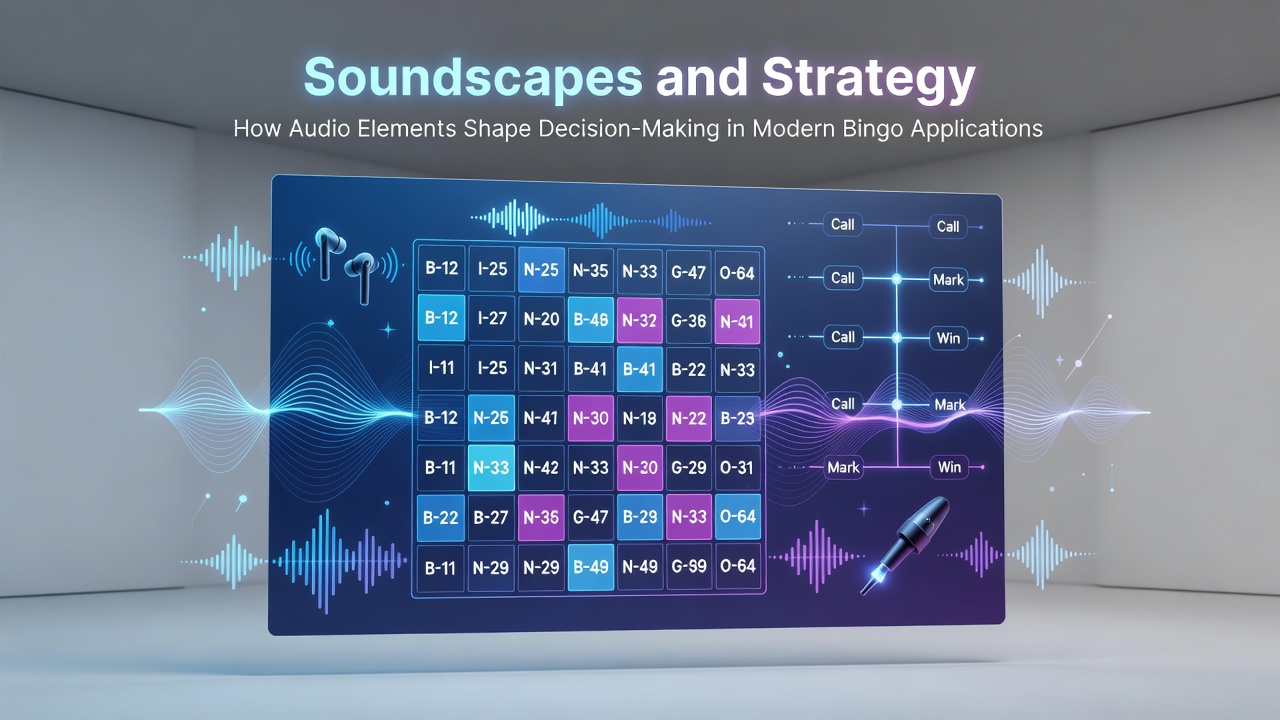
Audio design in contemporary bingo platforms operates through layered sound cues that guide player attention, signal game states, and influence timing of decisions during play sessions. These elements combine background tracks, notification tones, and outcome indicators that researchers have examined for their effects on engagement patterns and choice sequences.
Core Audio Components in Bingo Interfaces
Modern bingo applications integrate multiple audio layers including ambient music that shifts tempo based on round progression, distinct chimes for number calls, and escalating tones during jackpot builds. Developers adjust frequency ranges and volume dynamics to align with different regional preferences, whereas platforms serving North American users often emphasize clearer number announcements over melodic overlays. Data from industry reports indicate that synchronized audio feedback correlates with extended session lengths across mobile and desktop formats.
Sound effects mark critical moments such as near-matches and completed lines, while volume modulation draws focus toward active betting options without requiring visual scanning. Observers note that these cues appear consistently in applications launched or updated through mid-2026, reflecting iterative testing cycles that refine auditory triggers for specific player demographics.
Research on Audio Influence and Player Choices
Studies conducted at institutions including the University of Nevada, Reno have tracked how specific sound frequencies affect response times in simulated gambling environments. Participants exposed to rising pitch sequences during near-miss scenarios showed measurable shifts in subsequent wager adjustments, according to findings published in behavioral economics journals. These patterns extend to bingo formats where audio signals accompany card updates and prize escalations.
Canadian regulatory analyses from the Alcohol and Gaming Commission of Ontario have documented correlations between audio intensity settings and average play duration in licensed digital bingo offerings. Figures reveal that users who retain default sound profiles tend to complete more rounds per session compared with those who disable audio entirely. Such observations stem from aggregated platform telemetry collected through 2025 and into August 2026 updates that introduced adaptive sound scaling based on time-of-day usage data.
Implementation Across Platforms and Regions
European operators have incorporated spatial audio techniques that position sound sources relative to virtual card positions, creating directional cues that assist players in tracking multiple cards simultaneously. This approach appears in applications serving markets regulated under frameworks from the Malta Gaming Authority, where testing protocols require documentation of how auditory elements interact with fairness algorithms. Australian research groups affiliated with the Australian Gambling Research Centre have similarly examined how culturally familiar sound motifs influence retention rates among local users.
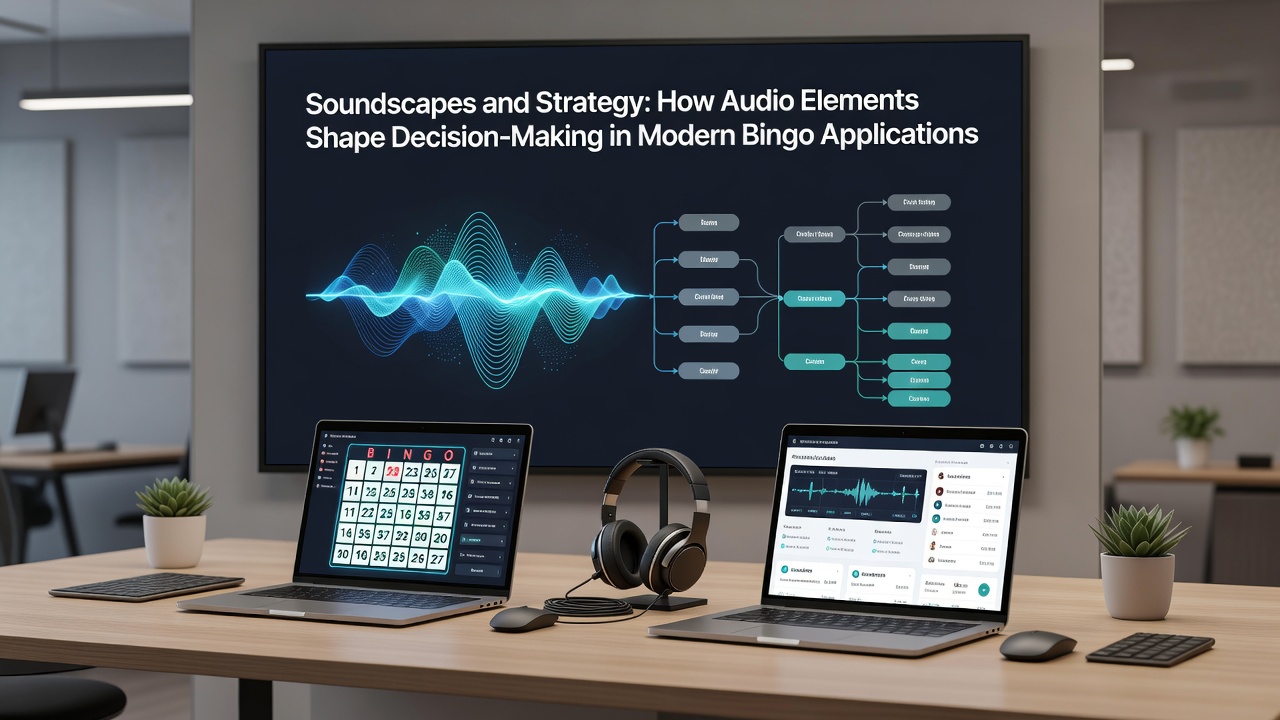
Cross-device synchronization ensures that audio profiles remain consistent when players transition between mobile and tablet interfaces, with cloud-stored preferences adjusting volume and tone emphasis automatically. Reports compiled through August 2026 show increased adoption of these features in applications that integrate live dealer audio streams with pre-recorded number calls, resulting in unified auditory environments that reduce cognitive load during rapid play cycles.
Technical Adjustments and Data Patterns
Platform analytics reveal that adjustable audio sliders correlate with variations in decision speed, particularly when players lower background music volume during high-stakes rounds. Engineers implement these controls through standardized APIs that allow real-time mixing of sound channels based on user input and game phase. Evidence from aggregated usage logs indicates that applications featuring dynamic soundscapes register higher completion rates for progressive jackpot features compared with static audio designs.
Seasonal data collected across multiple jurisdictions points to elevated engagement during evening hours when applications default to warmer tonal palettes and softer notification sounds. These adjustments align with broader patterns observed in digital entertainment sectors, where audio calibration supports sustained attention without explicit player intervention.
Conclusion
Audio elements in modern bingo applications function as integral components that structure player attention and timing decisions through consistent, measurable cues. Research from academic and regulatory sources across North America, Europe, and Australia continues to map these relationships, while platform updates through August 2026 demonstrate ongoing refinement of sound integration techniques. The available data highlight connections between auditory design choices and observable play behaviors across diverse user groups and device types.