How Social Connectivity Features Are Reshaping Participation Dynamics in Online Bingo Networks
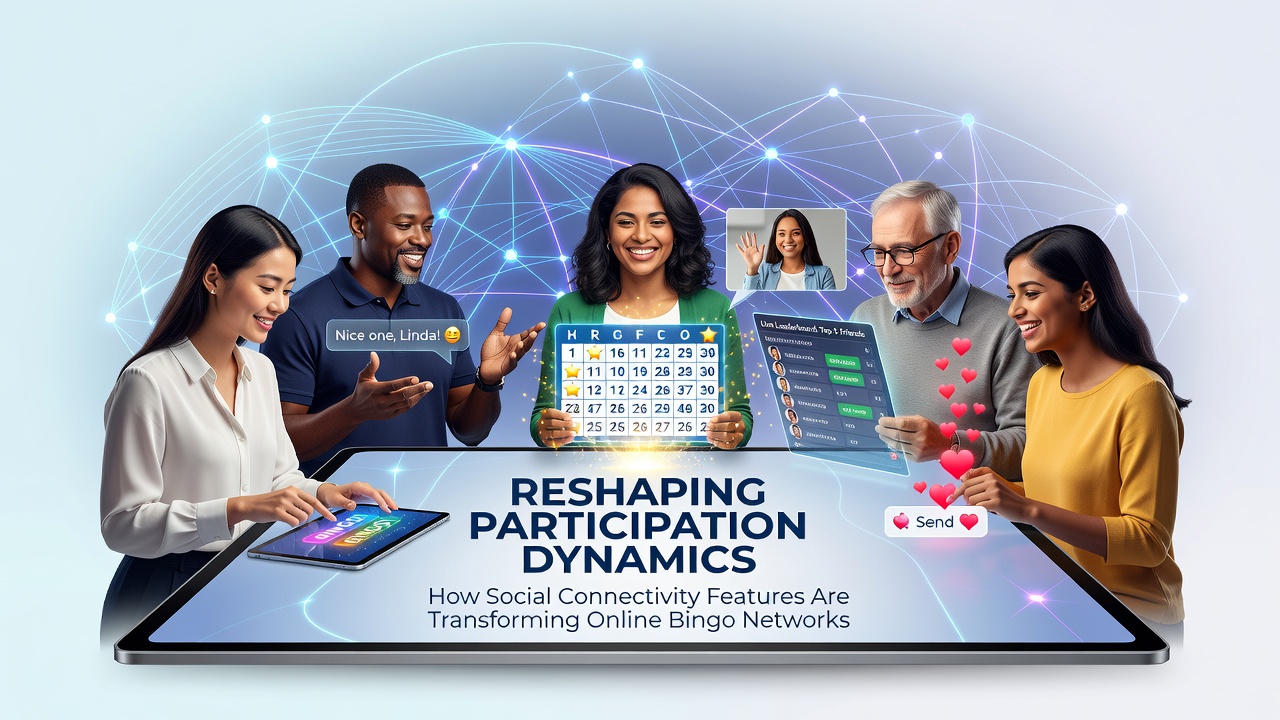
Online bingo networks have integrated social connectivity tools that allow players to form groups, share achievements, and coordinate sessions across different time zones, which in turn alters how individuals enter and sustain their involvement in these platforms.
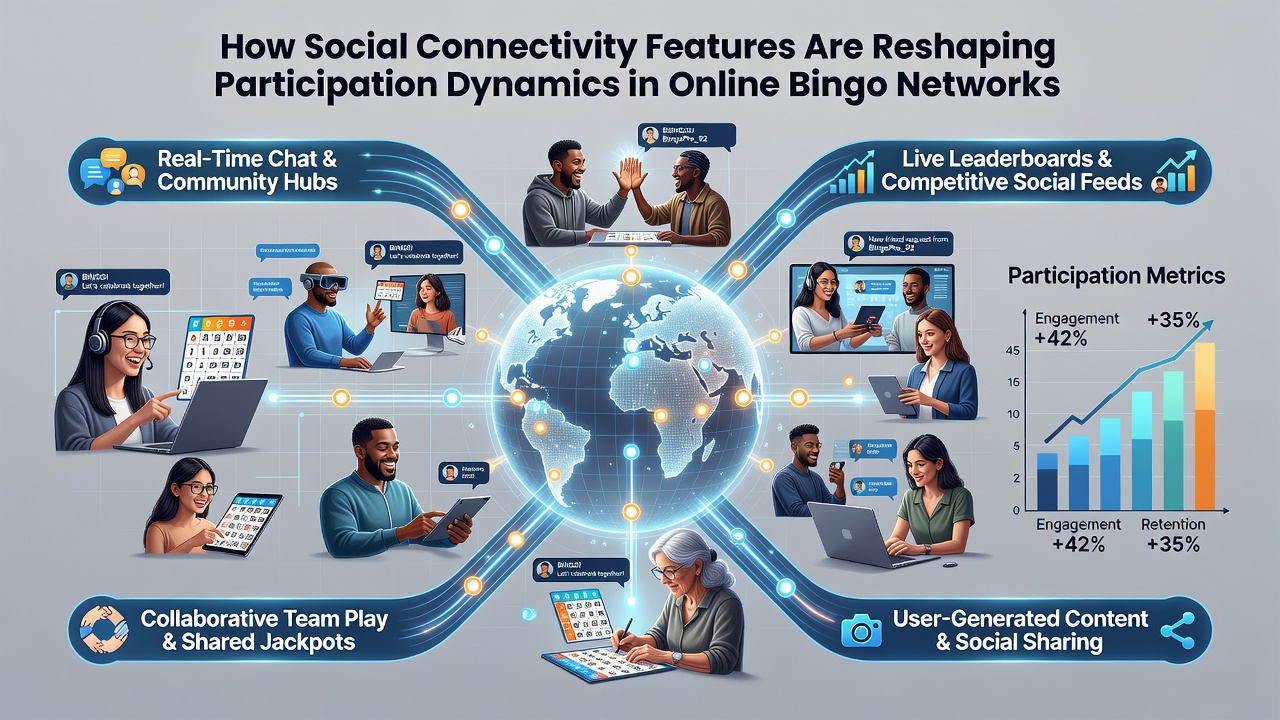
These tools range from integrated chat functions and friend invitation systems to leaderboard competitions and synchronized jackpot pools that require collective contributions, and data from industry analyses show rising usage rates through the first half of 2026.
Core Social Features Driving Network Changes
Chat rooms within bingo lobbies enable real-time conversation during draws, while private messaging and group creation options let participants organize recurring game nights or invite contacts from external social networks. Leaderboards display weekly rankings based on wins and participation streaks, and shared progressive jackpots tie individual ticket purchases to community milestones that unlock larger prizes when thresholds are met.
Platforms also incorporate live streaming of host interactions alongside player avatars that react to game events, creating visible layers of group activity that extend beyond solitary number marking. According to reports compiled by the American Gaming Association, these layered features correlate with extended session durations across multiple operator sites in North America and Europe.
Shifts in Player Entry and Retention Patterns
Traditional signup flows once relied on promotional bonuses alone, yet connectivity options now surface during onboarding through prompts that encourage immediate friend connections or community room joins. Retention metrics tracked by platform operators indicate that users who activate social profiles within the first week demonstrate higher return rates compared with those who play in isolation.
Seasonal data collected up to June 2026 reveals spikes in group-formed games during holiday periods, when participants coordinate across regions to fill virtual rooms faster than random matchmaking achieves. This coordination reduces wait times for popular variants such as 75-ball or speed bingo, thereby increasing overall throughput on servers during peak windows.
Community Formation and Cross-Platform Interactions
Players frequently migrate between desktop and mobile interfaces while maintaining the same social graphs, since synchronization protocols preserve friend lists and ongoing chat threads regardless of device. Research published through the Ontario Centre for Addiction and Mental Health has documented how these persistent connections support steady participation rates even when individuals switch networks or relocate geographically.
Observers note that clan-style groups and guild mechanics, borrowed from broader gaming ecosystems, appear in bingo settings where members pool resources for collective entries or celebrate milestone wins together. Such arrangements foster repeat visits because accountability structures emerge naturally within the connected circles rather than through external reminders.
Regional Variations in Adoption and Regulation
European markets have seen earlier rollout of cross-border social tournaments that comply with varying data protection standards, whereas North American operators focus on intra-state friend features that align with localized licensing. Australian regulatory updates from the Australian Communications and Media Authority highlight requirements for clear opt-in consent before social data sharing begins, which influences how quickly new connectivity tools reach players in that region.
Participation figures collected through mid-2026 show stronger growth in mobile social play within Asia-Pacific jurisdictions that permit licensed operations, while certain North American states continue to refine rules around real-money group features.
Measurement of Participation Dynamics
Analytics dashboards now track not only individual ticket sales but also metrics such as group formation frequency, message volume per session, and referral chains that originate from social shares. These indicators reveal that networks emphasizing connectivity experience lower churn during slower months because community events maintain momentum when standalone promotions taper off.
One study released by researchers at the University of Nevada, Reno examined longitudinal player logs and found measurable increases in concurrent room occupancy once friend-list tools activated, suggesting that social overlays redistribute traffic more evenly across daily time slots.
Conclusion
Connectivity elements continue to embed themselves into bingo platform architecture, producing measurable changes in how participants discover games, sustain activity, and interact with wider networks. Ongoing data collection through 2026 will clarify which combinations of chat, leaderboard, and shared-pool mechanics deliver the most stable participation patterns across different regulatory environments.