How Emerging Payment Methods Reshape Transaction Flows at Digital Bingo Venues
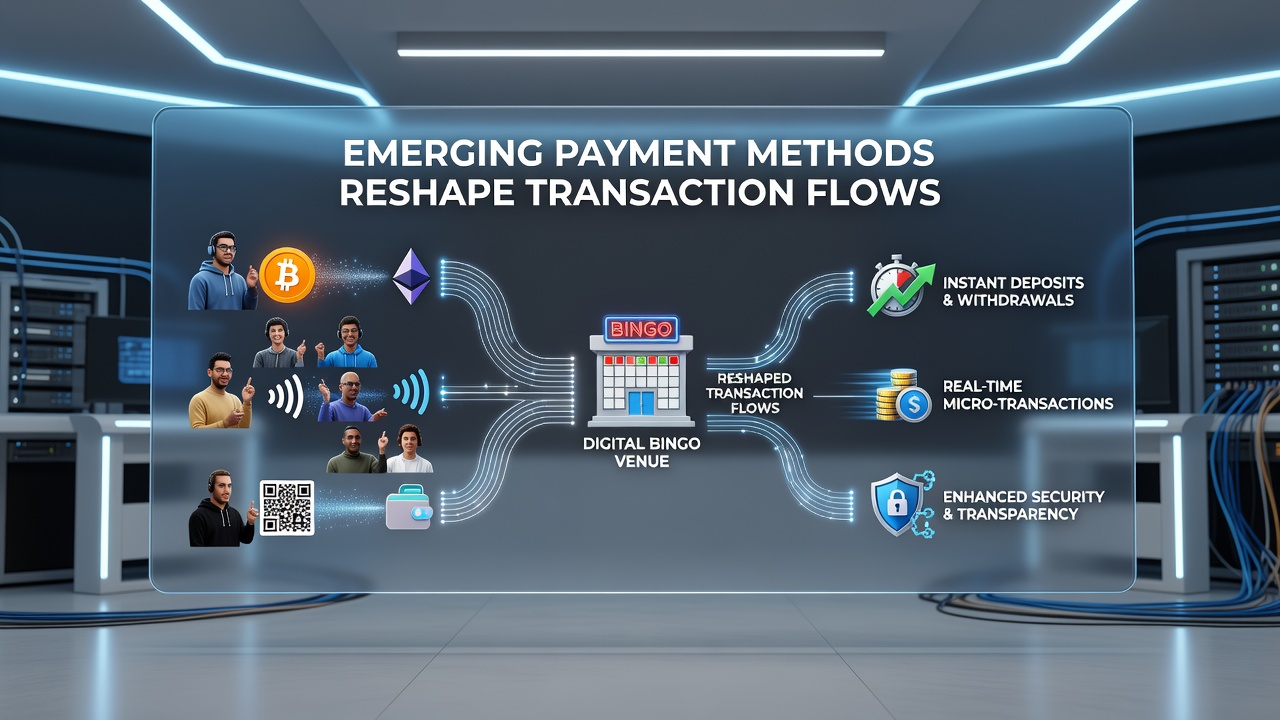
 Digital bingo venues have witnessed substantial changes in how players fund accounts and receive winnings since emerging payment technologies gained wider adoption, and these shifts continue to accelerate through 2026. Instant bank transfers, digital wallets, and cryptocurrency options now integrate directly with gaming platforms, which alters the speed, security, and routing of funds compared to traditional card or wire methods. Observers note that transaction flows have become more fragmented yet efficient as multiple rails operate simultaneously within single player sessions. Payment service providers route deposits through application programming interfaces that connect bingo operators to banking networks in real time, and this setup reduces the multi-day clearing periods once common with checks or bank drafts. Data from industry reports indicate that average deposit completion times dropped from hours to seconds across major platforms following widespread open banking implementations in several regions. Players initiate transfers via mobile apps that authenticate through biometric checks, after which funds appear in bingo balances without intermediate manual verification steps.
Digital Wallets and Their Integration Patterns
E-wallets such as those offered by established providers enable one-click funding that bypasses repeated entry of card details, while platform software automatically converts currency where needed. These systems maintain separate ledgers that reconcile with bingo operators at the end of each gaming cycle, which creates parallel transaction streams rather than single consolidated flows. Research from the Bank for International Settlements highlights how such layered processing supports higher volumes during peak evening hours without overloading primary banking channels. Mobile payment solutions tied to device ecosystems further streamline these flows by embedding authentication within the bingo application itself. Funds move from linked bank accounts or stored value directly into game wallets, and withdrawal requests reverse the path with similar automation. Observers tracking platform logs report that wallet-based transactions now account for a growing share of activity, particularly in markets where regulatory frameworks updated fee structures and verification requirements during early 2026.Cryptocurrency Options and Ledger-Based Routing
Several digital bingo venues added cryptocurrency deposit and withdrawal capabilities that rely on blockchain confirmations instead of centralized clearing houses. These methods generate unique wallet addresses for each transaction, which players scan or copy into external exchanges before funds convert and credit to bingo balances. Transaction flows here involve additional steps of network validation that can range from minutes to longer depending on blockchain congestion, yet they eliminate chargeback risks associated with reversible payment types. Platforms that support stablecoins maintain internal conversion mechanisms that lock exchange rates at the moment of deposit, and this reduces volatility exposure for both operators and players. Figures from academic studies on fintech adoption in gaming show increased testing of these rails in regions outside traditional card-dominant markets. Withdrawal processes mirror the inbound path, with operators broadcasting transactions to the chosen network once identity checks clear.