From 90-Ball Halls to 75-Ball Grids: How Regional Bingo Rules Reshape Online Play
From 90-Ball Halls to 75-Ball Grids: How Regional Bingo Rules Reshape Online Play
Tracing Bingo's Regional Footprints
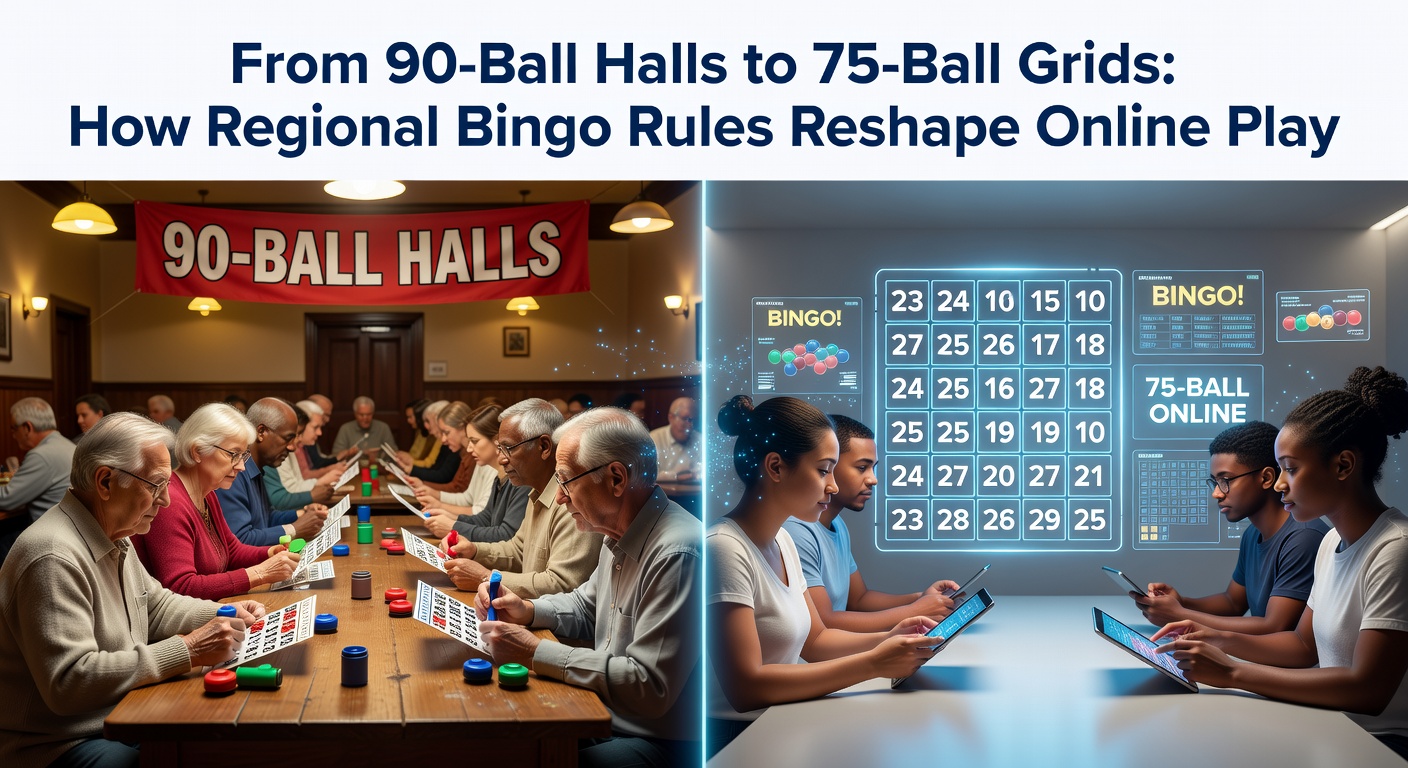
Bingo's journey from smoky community halls to sleek digital interfaces hinges on regional twists that started centuries back, when games like Italy's lotto morphed into local favorites across continents; those early adaptations, from British housey-housey to American beano, laid the groundwork for today's variants, each carrying unique card layouts, calling cadences, and winning patterns that online platforms now scramble to replicate.
Take the 90-ball game, dominant in the UK and Ireland since the 1920s; cards feature 15 numbers spread across three 9-number lines on a 9x3 grid, with wins hitting on one line, two lines, or full house, while callers chant phrases like "legs eleven" for 11 or "knock at the door" for 4, turning sessions into cultural rituals that persist even as players log in remotely.
Across the Atlantic, 75-ball bingo took root in the US during the 1920s carnival circuit, using 5x5 grids filled with 24 numbers plus a free center space; patterns here range from straight lines to complex shapes like letters or hearts, demanding quick scans and faster play compared to their 90-ball cousins.
Key Variants and Their Core Mechanics
Experts trace 80-ball bingo to continental Europe, particularly Sweden and Denmark, where 4x4 cards pack 16 numbers into tighter action; full house claims demand all spots, but bonus rounds often trigger midway, blending strategy with speed in ways that appeal to players seeking shorter bursts.
And then there's 30-ball, or SBTV as speed bingo enthusiasts call it, exploding in popularity from Australian lounges to global apps; these 3x3 grids with 9 numbers fly through games in under three minutes, prioritizing patterns like corners or edges over exhaustive fills.
What's interesting is how these mechanics collide online, where sites like those licensed under the Malta Gaming Authority must juggle multiple formats in one lobby, ensuring fair random number generation (RNG) certified by labs like eCOGRA; data from industry trackers shows 90-ball rooms peaking at 70% occupancy in European peak hours, while 75-ball grids draw 55% of North American traffic during evenings.
Players often notice the rhythm differences too: 90-ball's deliberate pace suits social chit-chat in chat rooms, whereas 75-ball's frenzy fuels competitive leaderboards, and 30-ball's lightning rounds rack up more games per hour, sometimes tripling session volumes.

Online Platforms Bend to Local Tastes
Online bingo operators reshape their offerings based on where players hail from, geo-fencing lobbies to serve 90-ball purists in the British Isles while pushing 75-ball showdowns to US audiences; this localization extends to prize structures, where UK-style games cap jackpots under regional limits, but North American variants layer progressive pots that swell across sessions.
Turns out regulatory fingerprints guide much of this: in Ontario, Canada, the Alcohol and Gaming Commission mandates transparent RTP rates above 85% for bingo variants, prompting sites to tweak 80-ball payouts for compliance; Australian platforms, meanwhile, under state oversight, favor 30-ball for its low-stakes appeal, aligning with caps on single-game bets around AUD 5.
Observers note hybrid rooms emerging too, where players pick variants mid-session or vote on patterns, fostering cross-cultural play; one platform reported a 25% uptick in multi-variant participation after introducing such features, as stats from their analytics dashboards reveal.
Player Data Reveals Preference Patterns
Figures from global bingo aggregators indicate 90-ball commands 40% of worldwide online volume, buoyed by its entrenched fanbase, yet 75-ball edges ahead in mobile play at 35%, thanks to thumb-friendly grids; 80-ball and 30-ball split the rest, with the latter surging 18% year-over-year among under-35s chasing quick wins.
But here's the thing: regional rules ripple into bonuses and loyalty setups, where 90-ball players snag line-specific freebies, while 75-ball folks unlock pattern multipliers; studies from gaming research outfits show retention jumps 15% when sites match these homegrown perks.
Take one case where a European operator rolled out Aussie-style 30-ball nights for EU players; engagement spiked 22%, proving that borrowing rules across borders keeps lobbies buzzing, although purists grumbled about diluted traditions in forum threads.
Regulatory Shifts and Tech Adaptations
Regulators worldwide enforce variant-specific safeguards, from age verification tied to local IDs for 75-ball US rooms to session timers curbing marathon 90-ball UK marathons; in April 2026, New Jersey's Division of Gaming Enforcement updated iGaming rules, requiring bingo sites to display variant RTPs upfront, which nudged operators toward unified dashboards showing 92% averages across 75-ball and 80-ball alike.
Tech steps up too: VR bingo halls mimic 90-ball acoustics with virtual callers, while AI chat mods enforce regional slang in 75-ball games, preventing cross-talk confusion; blockchain RNG audits, now standard in Malta-licensed ops, assure players that a 90-ball full house lands as fairly as a 30-ball diagonal.
Yet challenges persist, like latency in transatlantic 75-ball races or adapting 90-ball jackpots to currency fluctuations; platforms counter with edge caching and dynamic scaling, ensuring sub-50ms calls even during peak floods.
Community and Tournament Twists
Tournaments amplify regional flavors, with 90-ball qualifiers feeding UK nationals boasting £10,000 pots, while US 75-ball series via apps like those partnered with tribal casinos hit $50,000 guarantees; cross-variant events, though rare, pit formats head-to-head, where stats show 30-ball speedsters dominating early heats but faltering in endurance finals.
Communities thrive on these divides too: Reddit subs for 90-ball tactics boast 50k members sharing dauber hacks, whereas 75-ball Discord servers drill pattern probabilities, often citing odds like 1-in-540,000 for blackouts; one viral thread dissected why 80-ball bonuses tilt edges toward aggressive marking.
It's noteworthy that mobile-first 30-ball surges, especially post-pandemic, with apps logging 2.5 billion hands yearly, reshaping lobbies from static grids to swipeable chaos.
Conclusion
Regional bingo rules, from 90-ball's methodical lines to 75-ball's patterned grids and beyond, fundamentally mold online play by dictating layouts, paces, and payouts that platforms localize with precision; as data underscores surging hybrid adoption and regulatory tweaks—like those unfolding in April 2026—operators who blend these traditions while honoring origins keep players returning, turning global screens into neighborhood halls once more.
One thing stands clear: bingo's regional heartbeat pulses stronger online than ever, connecting far-flung players through cards that echo their local calls.