Data-Driven Customization: The Hidden Algorithms Behind Personalized Bingo Offers
Noah Vogel · Jul 27, 2026
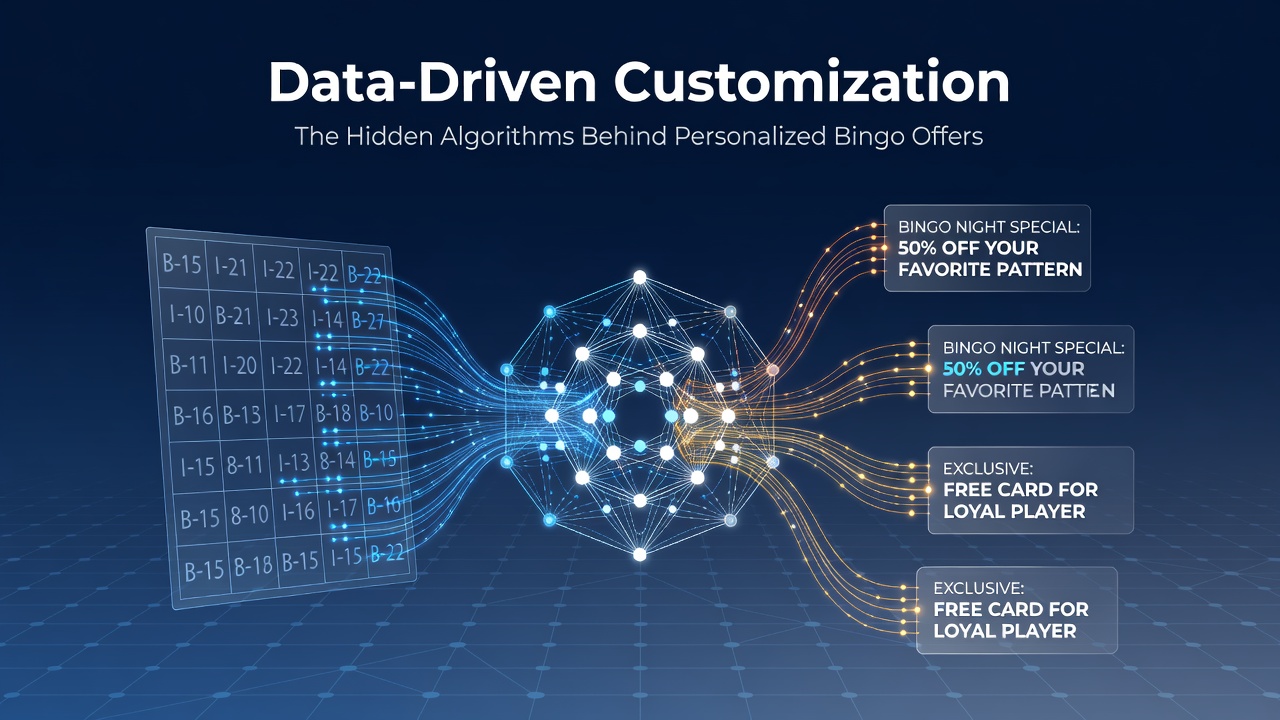
Data-Driven Customization: The Hidden Algorithms Behind Personalized Bingo Offers
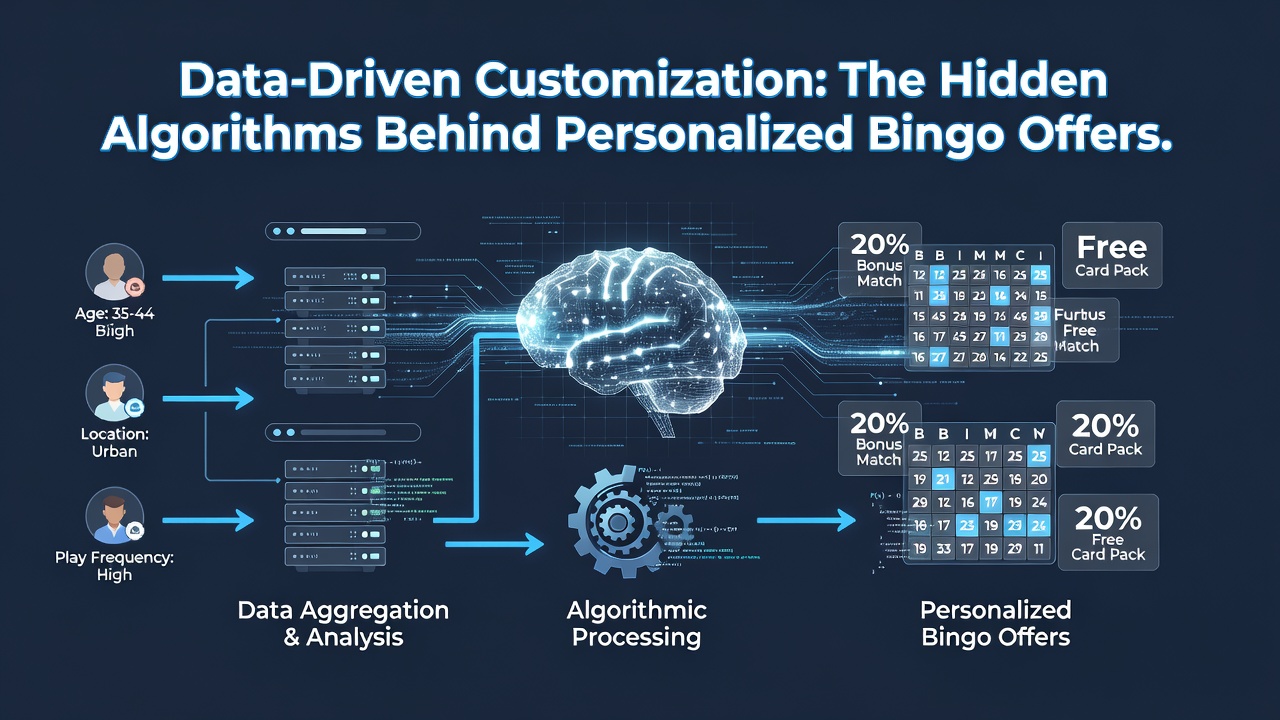
Online bingo operators deploy complex algorithms that analyze player behavior in real time, then generate customized offers based on patterns extracted from deposit history, game selections, session durations, and response rates to previous promotions. These systems process millions of data points daily, allowing platforms to adjust bonus structures, game recommendations, and reward tiers without manual intervention from staff.
Researchers at institutions tracking digital entertainment trends note that machine learning models identify clusters of similar players, grouping them by factors such as preferred ball counts, average stake sizes, and peak activity hours. Once grouped, the algorithms assign probability scores to predict which incentive will most likely extend engagement for each segment, and operators update these models continuously as fresh data arrives.
Data Inputs That Feed the Algorithms
Every click, wager, and chat message contributes to a profile that grows more detailed over time, while platforms also pull external signals including device type, geographic location, and even referral sources to refine targeting. Studies from the Responsible Gambling Council in Canada have documented how these inputs combine into predictive scores that determine whether a player receives a deposit match, free cards, or loyalty multipliers on any given day.
Operators maintain separate data streams for short-term versus long-term behavior, allowing algorithms to distinguish between a one-time visitor and a recurring participant who tends to play during specific windows. This separation matters because models treat the two groups differently when calculating offer values and delivery timing.
Mechanics of Personalization Engines
At the core sit decision trees and neural networks that weigh dozens of variables simultaneously, then output a ranked list of possible promotions for each account. The engine tests multiple versions of an offer against small control groups before rolling out the highest-performing variant to the broader segment, a process known as A/B/n testing that runs in the background without player awareness.
July 2026 brought heightened scrutiny from several regulators outside the United Kingdom, including the Australian Communications and Media Authority, which released updated guidelines requiring clearer disclosure of how automated systems determine bonus eligibility. Those guidelines emphasize transparency around data retention periods and the right for players to request explanations of why specific offers appear in their accounts.
Observed Patterns in Offer Delivery
Players who complete deposits on weekday evenings frequently receive targeted reload bonuses timed to their next likely login, whereas weekend participants often see free-game bundles tied to popular room schedules. Observers tracking these trends report that the algorithms also factor in churn risk scores, triggering retention offers when a profile shows declining activity over consecutive days.
One documented case involved a European operator that adjusted its model to prioritize game-type recommendations after internal analysis showed certain 75-ball variants retained users longer than 90-ball formats for a subset of mobile players. The change resulted in measurable shifts in session length across that cohort within weeks of implementation.
Regulatory and Technical Considerations
Industry reports from the American Gaming Association highlight that data protection requirements in multiple jurisdictions now mandate regular audits of these algorithmic systems to verify they do not inadvertently discriminate based on protected characteristics. Compliance teams must document decision logic and maintain logs that regulators can review during inspections.
Technical teams integrate privacy-preserving techniques such as differential privacy when training models on aggregated datasets, reducing the chance that individual player records become identifiable during analysis. These measures coexist with the need to maintain personalization accuracy, creating ongoing engineering trade-offs documented in conference proceedings from gaming technology summits.
Conclusion
The infrastructure supporting personalized bingo offers continues to evolve as operators refine data pipelines and incorporate new machine learning techniques. Regulatory updates expected through late 2026 will likely require additional layers of explainability around how algorithms reach their conclusions, while players retain access to the resulting tailored experiences that reflect their documented activity patterns.