Bingo Goes Global: Software Customization, Mobile Accessibility, and Regional Promotions
Petra Jenkins · Aug 12, 2026

Bingo Goes Global: Software Customization, Mobile Accessibility, and Regional Promotions
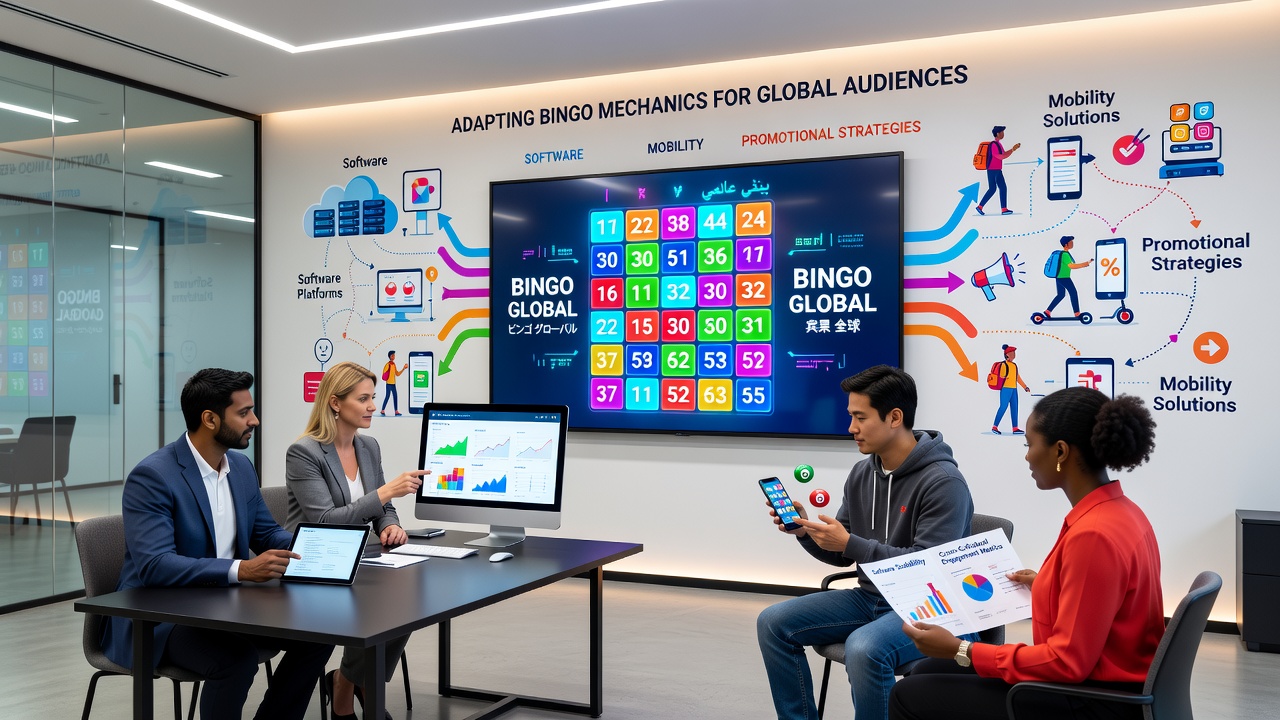
Software developers have adjusted bingo systems to handle diverse regional preferences while maintaining core gameplay mechanics that originated in traditional halls yet evolved into digital formats. Companies integrate options for 75-ball, 90-ball, and even 80-ball variants within single platforms so users in different countries encounter familiar structures without needing separate downloads or accounts. These adjustments rely on modular codebases that swap rule sets based on location data detected at login and operators track usage patterns through backend analytics that reveal which combinations perform best in specific markets.
Software Frameworks That Support Multiple Variants
Modern bingo platforms employ flexible engines capable of switching between grid sizes and ball counts on demand and this capability allows providers to serve audiences from North America to Asia without rebuilding entire applications for each territory. Data from industry reports indicates that operators using such adaptable systems see higher retention rates because players encounter localized experiences from the first session onward. One case involved a European developer who implemented language toggles alongside variant selectors and participation numbers rose steadily in markets where English was not the primary language. Integration with regulatory databases further ensures compliance by applying jurisdiction-specific payout rules automatically rather than requiring manual oversight.
Mobility Trends Shaping Player Access
Mobile optimization has become central to bingo expansion because smartphones now account for the majority of sessions according to aggregated usage statistics collected across platforms. Developers prioritize responsive designs that maintain clear number visibility and smooth animations even on smaller screens while preserving the social chat features that define online bingo rooms. Cross-device synchronization lets users start a game on a tablet at home and continue on a phone during commutes without losing progress or jackpot eligibility. As of August 2026 several operators reported that mobile-exclusive promotions tied to location services increased daily active users by noticeable margins in urban areas where commuting times are long. These features connect directly to backend systems that update jackpot pools in real time across devices.
Promotional Approaches Tailored by Region
Marketing teams adjust bonus structures and loyalty rewards to align with local holidays and spending habits rather than applying uniform offers worldwide. In Australia operators often highlight summer-themed events with added free cards while Asian markets receive promotions linked to lunar calendar festivals and these targeted campaigns draw from player demographic data to time releases effectively. Research compiled by the American Gaming Association shows that region-specific incentives correlate with longer session durations compared to generic global promotions. Loyalty programs progress through tiers that reward consistent play with personalized perks such as variant unlocks or accelerated jackpot contributions and operators monitor redemption rates to refine future offers. Partnerships with local payment providers further reduce friction by supporting preferred deposit methods in each territory.
Data Patterns and Emerging Adjustments
Analytics platforms reveal seasonal spikes that vary by hemisphere so northern markets experience peaks during winter months while southern regions show activity rises in their summer periods. Software teams use these insights to schedule server capacity and promotional pushes accordingly. Observers note that blockchain elements for transaction verification appear more frequently in newer deployments because they address trust concerns in markets where digital gambling remains relatively new. A study referenced by the Government of Canada finance reports examined participation trends and found mobile users responded positively to instant-win add-ons integrated into standard bingo rounds. These additions maintain the traditional pace while introducing elements familiar to slot players in certain regions.
Conclusion
Adaptation continues through iterative updates that combine software flexibility with mobile-first design and culturally attuned promotions and the result supports broader reach without diluting the original appeal of the game. Operators who track regional data closely maintain competitive positions as audiences expand into new territories.