Bingo Formats Finding Their Place Within Esports Tournaments and Spectator Engagement Strategies
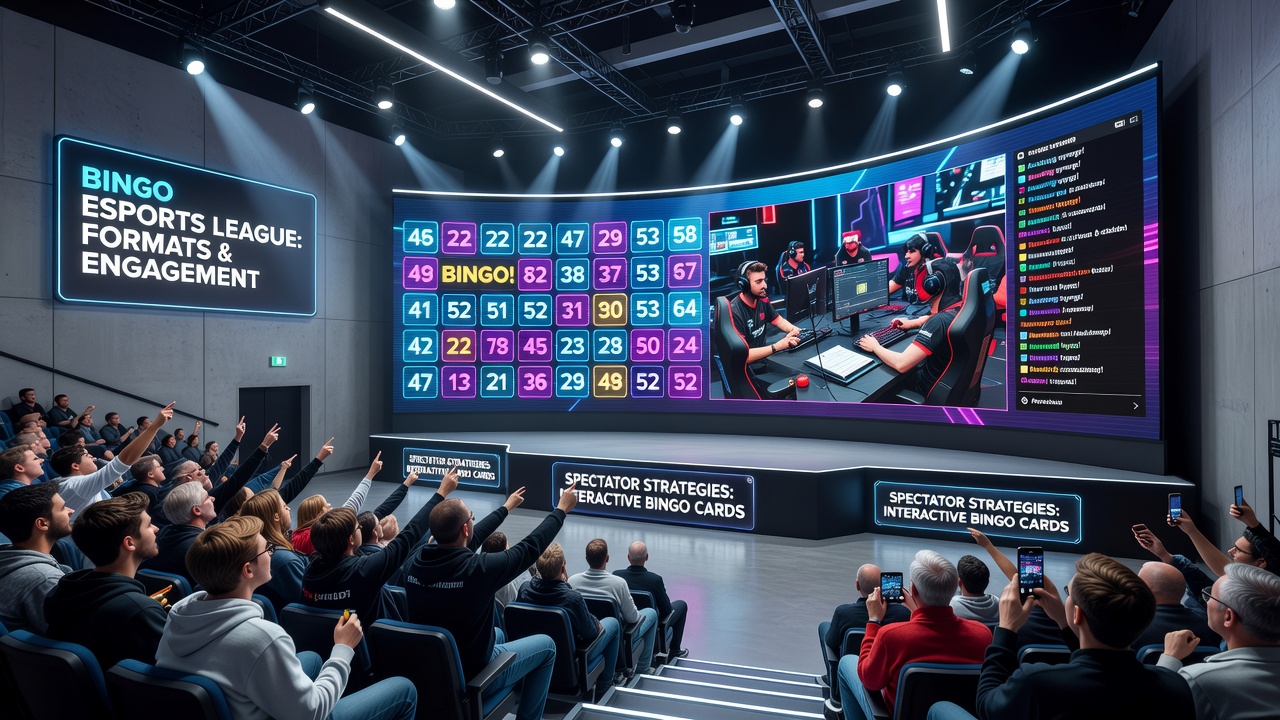
Esports tournaments have started incorporating bingo formats as side events and integrated challenges that draw in broader audiences beyond traditional gamers. Organizers blend 75-ball and 90-ball structures with competitive matches to create hybrid experiences where spectators participate through mobile apps while watching matches unfold on stage. Data from industry reports shows participation rates in these combined events climbed steadily through 2025 and into early 2026 as platforms refined synchronization tools that link game outcomes to bingo card progressions.
Regional variations in bingo rules influence how these integrations work across different markets. In North American circuits, 75-ball grids often pair with fast-paced fighting game tournaments because the shorter card format matches the quick rounds typical of those titles. European events lean toward 90-ball adaptations during strategy game competitions where longer play sessions allow for more complex number draws tied to in-game milestones.
Adaptation of Classic Bingo Structures
Developers modify standard bingo mechanics to fit esports pacing. Speed rounds replace traditional calls with automated triggers based on kill counts or objective captures, while lightning formats compress entire games into five-minute segments that align with between-match breaks. Observers note these adjustments maintain core randomness yet add layers of visual feedback on spectator screens that highlight matching numbers in real time.
Software frameworks handle the cross-device links that let viewers at home mark cards automatically as match data feeds into central systems. One documented implementation at a 2025 Asia-Pacific league event synchronized portable interfaces with arena displays so that audience members received instant notifications when their selected patterns approached completion.
Spectator Participation Mechanisms
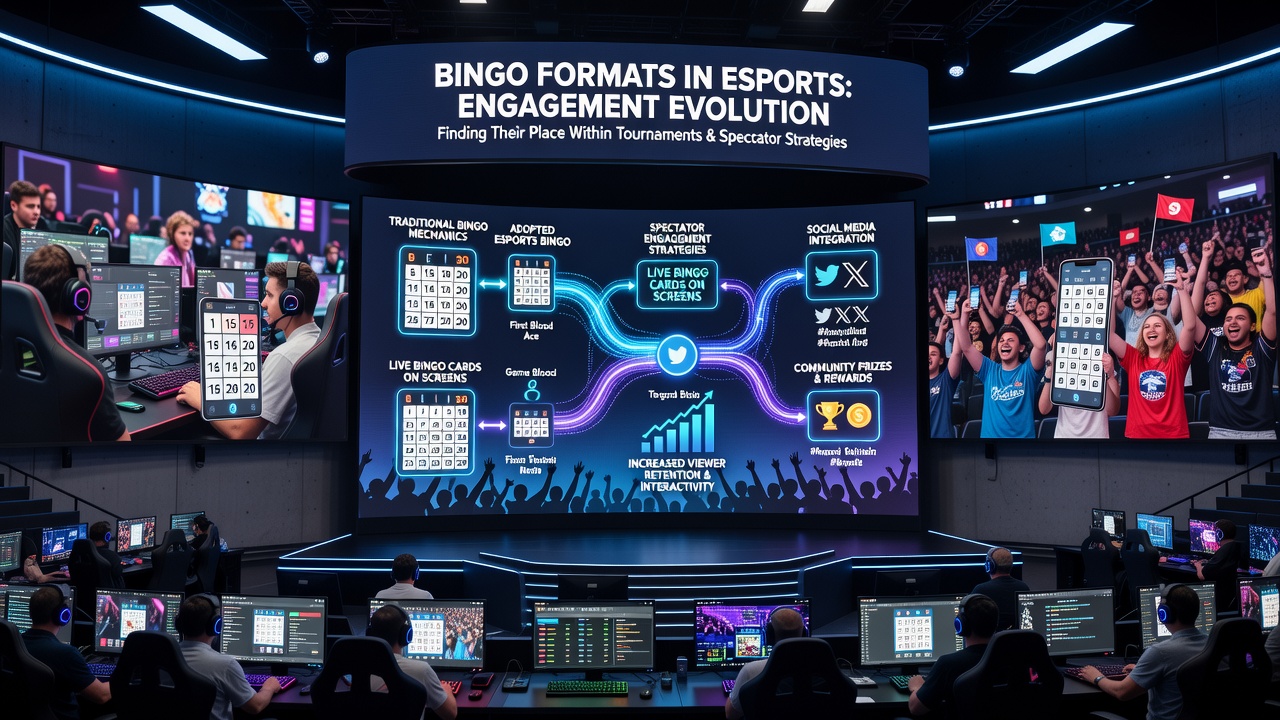
Engagement strategies center on layered incentives that reward both passive viewing and active card management. Progressive jackpots build across multiple tournament days and pay out when specific esports moments coincide with bingo wins. Platforms track viewer retention metrics during these periods and report higher dwell times compared to standard broadcast segments.
Interactive overlays on streaming services allow remote participants to select numbers or patterns before matches begin. Data collected during July 2026 qualifiers for an international circuit revealed that viewers using these tools stayed connected 23 percent longer on average than those watching without participation options.
Case Examples From Recent Circuits
Take one North American organizer who paired bingo challenges with battle royale finals in March 2026. The event used 75-ball cards where rows represented different map zones, and completions triggered bonus prize pools funded by sponsor contributions. Attendance figures released after the tournament showed a 17 percent increase in first-time spectators compared to the previous season's equivalent event.
Another example comes from an Oceania league that experimented with hybrid 90-ball grids during a multi-day strategy tournament. Numbers corresponded to resource collection milestones, and observers documented increased social media mentions whenever large jackpots neared payout thresholds. The approach spread to subsequent events after internal reviews confirmed improved engagement scores.
Technical Infrastructure Supporting Integration
Backend systems rely on low-latency data pipelines that pull esports statistics directly into bingo servers. These pipelines handle thousands of concurrent connections during peak tournament hours and maintain accuracy across varying network conditions. Industry groups such as the Canadian Gaming Association have published findings on similar synchronization challenges in networked gaming environments.
Security protocols verify each draw and match outcome to prevent manipulation. Independent audits conducted by academic teams at institutions like the University of Nevada, Las Vegas track compliance rates and publish annual summaries that tournament operators reference when scaling operations.
Future Trajectory Through Mid-2026
Events scheduled for July 2026 continue testing expanded formats that incorporate seasonal themes into bingo cards while preserving competitive integrity. Early registrations indicate growing interest from both esports franchises seeking additional revenue streams and bingo operators exploring new distribution channels. Figures released by regional trade bodies suggest combined events will represent a measurable share of total spectator hours by the end of the year.
Conclusion
The convergence of bingo formats with esports infrastructure continues through technical refinements and measured audience data. Tournament organizers track outcomes across multiple regions and adjust card structures accordingly. As synchronization tools mature and participation metrics stabilize, these hybrid formats establish consistent patterns within larger event calendars without displacing core competitive elements.